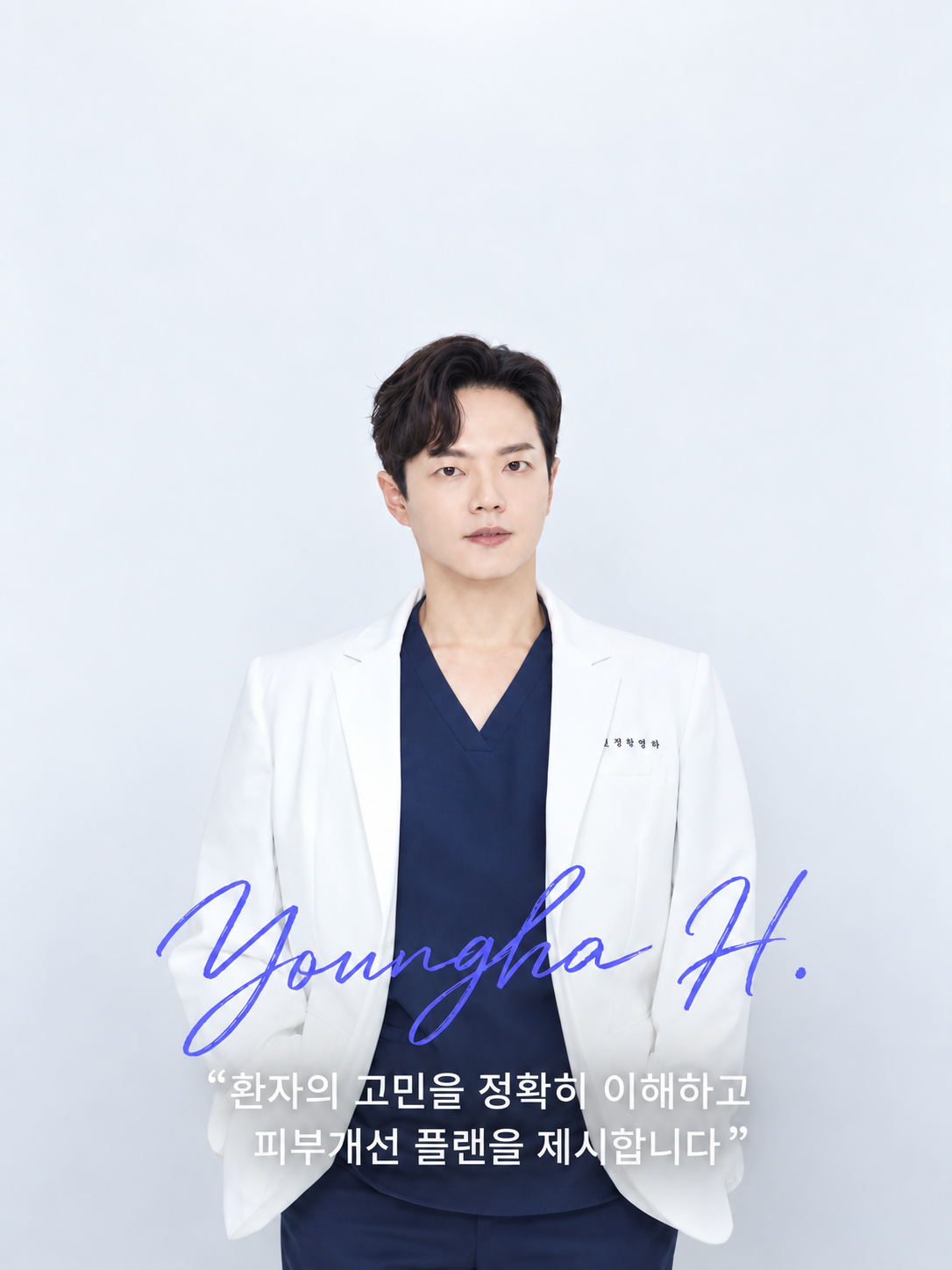
Introducing Dr. Hwang Yeong-ha of TATOA Clinic Ansan, combining clinical skill with sincerity.
Hello.
This is TATOA Clinic Ansan.
Today, we would like to introduce a doctor
who represents beauty and wisdom at our clinic: Dr. Hwang Yeong-ha.
1. What do you think makes a good doctor?
I think a good doctor is someone who listens. I believe being a doctor truly begins with listening to the patient before applying clinical skills. Beyond performing procedures well, it is important to understand a patient's concerns accurately and think through solutions together. A good doctor finds a way forward with the patient and inspires trust.
2. What principle matters most to you in aesthetic skin care?
No matter how good a treatment may be, I do not think it is a good treatment if it does not suit the patient's face and skin. I always try to assess the patient's condition carefully and suggest what suits that individual best. I believe personalized solutions matter more than blindly following trends. Dermatology is not simply about appearance; it is medicine that helps restore balance in life.
3. What matters most in your relationship with patients?
Trust. I believe real treatment begins when a patient feels able to trust me and share their concerns. Trust does not arise from a single appointment, so I try to bring sincerity to every consultation. My goal is to be a companion throughout a patient's changes and progress.
4. What has been most rewarding about your life as a doctor?
Seeing a patient's face light up when they look in the mirror after treatment is my greatest reward. When someone who came with a long-standing concern thanks me after noticing a change, it reinforces my confidence in the path I chose. Dermatology feels especially meaningful because it can offer emotional reassurance beyond treating disease. I see how a small change can affect a person's life.
5. Which patients do you find challenging, and how do you approach them?
The most challenging situations involve expectations that are very high from the outset. In those situations, honest and specific communication becomes even more important. My approach is to build trust by developing realistic plans together rather than encouraging excessive expectations. Explanation should come before persuasion.
6. What do you focus on most during a first consultation?
I see the first consultation as the beginning of trust. I devote considerable time to listening to concerns and explaining appropriate options. I try to share not only potential benefits but also side effects and realistic outcomes thoroughly. I also consider the psychological aspect by observing a patient's expressions and reactions.
7. What do you personally do to provide the most satisfying service?
Before entering the treatment room, I always review the consultation, concerns and any special considerations. In the room, I check the patient's skin once more before starting. Outside the clinic, I continue studying and reviewing information on new procedures. I also think it is important to remember patients and use their history as the basis for communication when they return.
8. How do you respond when a patient is dissatisfied?
My first priority is to hear the patient out rather than become defensive. We analyze the cause together and calmly discuss solutions. I try to stay balanced, avoid being led by emotion and communicate sincerely. I remind myself that medical care ultimately depends on trust between people.
9. How do you manage stress?
After weight training following work, I feel endorphins and dopamine naturally help me recover from mental fatigue. I also regard it as psychological training that helps rebuild trust in myself. On days off, I sometimes enjoy short-track skating. Racing around the rink really relieves my stress. I also go for drives on fine days or while listening to rain, and value quiet time alone with music to reflect on the day.
10. What is the most important value in your life?
Sincerity. I believe that when we meet another person sincerely, that feeling eventually reaches them. This applies equally to clinical care and relationships. Rather than being valued only for an immediate result, I want to be someone people trust over time.
11. What advice would you give someone who wants to become a doctor?
I would suggest asking yourself whether you truly like people. Knowledge and technical skills can be developed through effort, but without a sincere desire to care for patients, you can quickly become exhausted. Medicine is a profession in which we grow through relationships. It is also very important to hold on to the reasons you started.
12. What is your MBTI type? Which aspects fit you, and which do not?
I am ENFP. Being sociable and outgoing suits working in an aesthetic clinic, communicating with patients and performing treatments, and I think it makes the work less stressful for me. I also have a good sense of aesthetics and creativity, which helps me respond to each person's needs.
On the other hand, my people-centered approach and desire to do more for each patient sometimes make treatments take longer.
13. What is your favorite travel destination, and why?
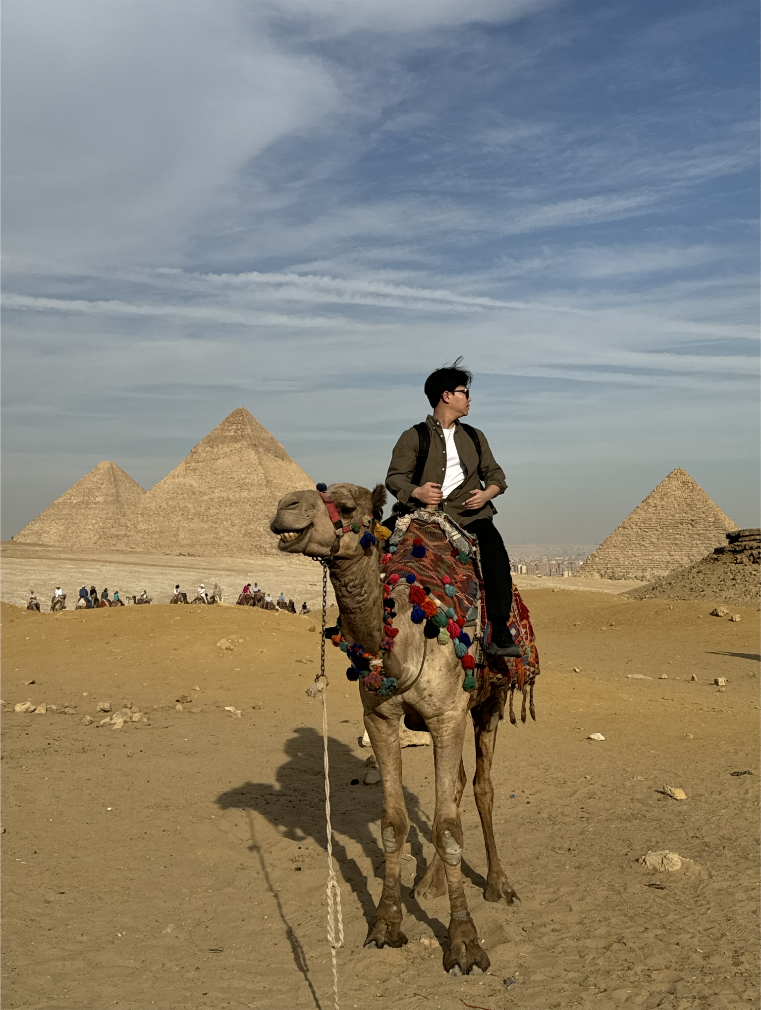
I really enjoyed a recent trip to Egypt. I had wanted to see its ancient sites since childhood. Beyond the historical sites, as someone who enjoys relaxing destinations, I found the Red Sea a paradise for diving and rest. I think taking even a short break from everyday life to reflect and recharge is important.
14. What matters most when spending time with family or friends?
The quality of our time together. Even if we cannot meet often, I try to focus fully on our conversations when we do. I treasure family meals and short walks with friends. Because clinical work keeps me busy, I make an extra effort to maintain deep relationships.